



CYP3A4
CYP3A4 is a major human cytochrome P450 enzyme that drives oxidative xenobiotic metabolism and contributes substantially to interindividual variability in drug pharmacokinetics and response[1]. Mechanistically, CYP3A4 belongs to the CYP3A subfamily, which metabolizes diverse drugs, endogenous substrates, and nonpharmaceutical xenobiotics through broad substrate recognition and inducible expression[1][2]. Regulation of this pathway depends strongly on pregnane X receptor (PXR), because PXR modulates xenobiotic metabolism primarily through regulation of CYP3A4 expression[3]. In disease-relevant and experimental contexts, CYP3A enzymes participate in physiological regulation of endogenous compounds and in pathological processes, making CYP3A4 useful for pharmacology, toxicology, and disease-model research[2]. Compared with CYP3A5, CYP3A4-mediated metabolism predominated for many tested compounds, while CYP3A5 showed meaningful activity for selected drugs and may matter in CYP3A5-expressing populations[4]. CYP3A4 also showed stronger inhibitory sensitivity than CYP3A5 for most compounds tested, including greater time-dependent inhibition, supporting isoform-aware inhibitor design and drug-drug interaction assessment[4]. For experimental applications, midazolam 1′-hydroxylation and testosterone 6β-hydroxylation remain practical CYP3A4/5 marker reactions for in vitro inhibition studies[5].
References:
- [1]. Zanger UM, et al. Cytochrome P450 enzymes in drug metabolism: regulation of gene expression, enzyme activities, and impact of genetic variation. Pharmacol Ther. 2013 Apr;138(1):103-41. [Content Brief]
- [2]. Klyushova LS, et al. The Role of CYP3A in Health and Disease. Biomedicines. 2022 Oct 24;10(11):2686. [Content Brief]
- [3]. Cheng J, et al. Pregnane X receptor- and CYP3A4-humanized mouse models and their applications. Br J Pharmacol. 2011 Jun;163(3):461-8. [Content Brief]
- [4]. Soars MG, et al. Comparative analysis of substrate and inhibitor interactions with CYP3A4 and CYP3A5. Xenobiotica. 2006 Apr;36(4):287-99. [Content Brief]
-
CYP3A4 Related Products (29)
Related Products (29)

- 1
- 2
-
NNC 55-0396
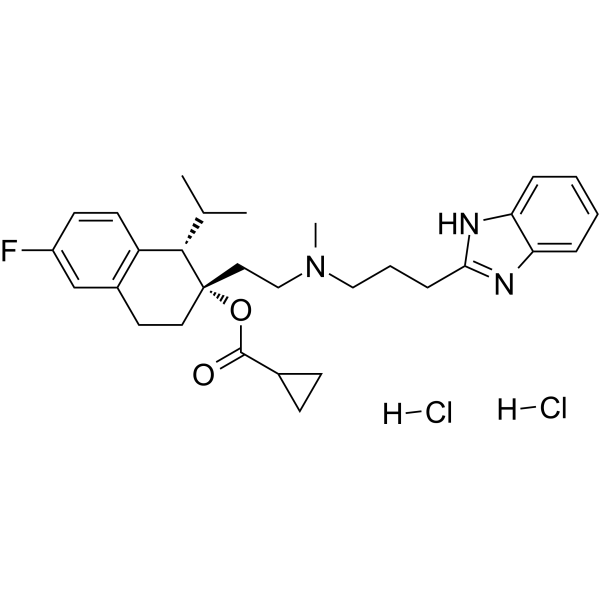 0 ImagesSynonyms: NNC 55-0396 dihydrochlorideNNC 55-0396 (NNC 55-0396 dihydrochloride) is a blood-brain-barrier-permeable T-type Ca2+ channel inhibitor and pan-P450 inhibitor. NNC 55-0396 selectively inhibits T-type Ca2+ channels, suppresses HIF-1α expression and stability and inhibits Kv currents. NNC 55-0396 reduces brain infarct and attenuates neurological dysfunction. NNC 55-0396 inhibits the activity of multiple P450 enzymes. NNC 55-0396 (free base) can be used for the research of brain injury, hypertension, and glioblastoma.
-
Columbamine chloride
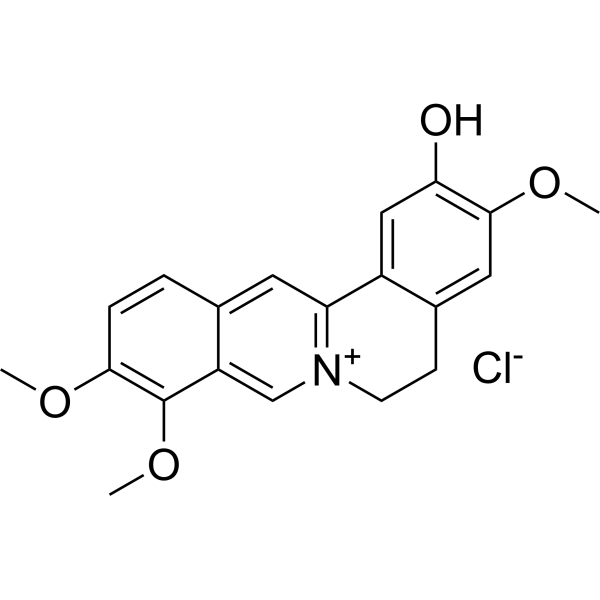 0 ImagesSynonyms: Columbamin chloride; Dehydroisocorypalmine chlorideColumbamine (Columbamin; Dehydroisocorypalmine) chloride is an organic heterotetracyclic alkaloid extracted from plants. Columbamine chloride is a metabolite of Berberine (HY-N0716). Columbamine chloride inhibits the cytochrome P450 (CYP) isoform CYP3A4 (IC50 = 30.6 µM). Columbamine chloride induces apoptosis in cancer cells. Columbamine chloride can be used for antioxidant, anti-inflammatory, antitumor, antifungal, antiparasite, hepatoprotective, neuroprotective, hypolipidemic and hypoglycemic study.
-
Dihydrokavain
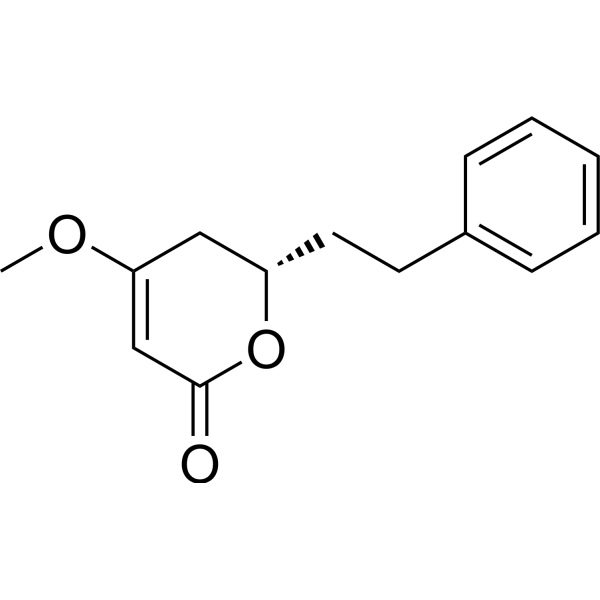 0 ImagesSynonyms: 7,8-Dihydrokawain; 7,8-Dihydrokavain; Marindinin
-
(R)-(+)-Warfarin
 0 Images(R)-(+)-Warfarin is an orally active chiral 4-hydroxycoumarin compound with vitamin K epoxide reductase (VKOR) inhibitory activity and cytochrome P450 substrate activity. (R)-(+)-Warfarin undergoes stereoselective metabolism via CYP1A2 to form 6-Hydroxywarfarin and 8-Hydroxywarfarin, and is metabolized via CYP3A4 to produce 10-Hydroxywarfarin (HY-134999). (R)-(+)-Warfarin can be used for the research of thromboembolic diseases.
-
Nivasorexant
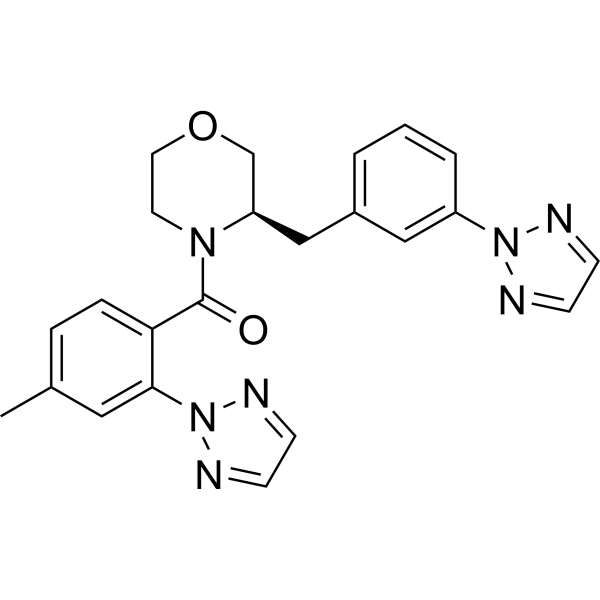 0 ImagesSynonyms: ACT-539313Nivasorexant (ACT-539313) is an orally active, blood-brain barrier penetrant, selective orexin OX1R inhibitor. Nivasorexant specifically blocks central OX1Rs without affecting OX2Rs, and exhibits competitive inhibitory activity against CYP2C8, CYP2C9, CYP2C19 and CYP3A4 (IC50 values are 25 μM, 8.6 μM, 1.6 μM, 19 μM/44 μM, respectively). Nivasorexant significantly reduces binge-like eating behavior of highly palatable food in rat models and has long-acting properties. Nivasorexant shows no relevant off-target activity against over 130 selected proteins, exhibits favorable safety profiles, and can be used for studies related to binge eating disorder.
-
AST5902 trimesylate
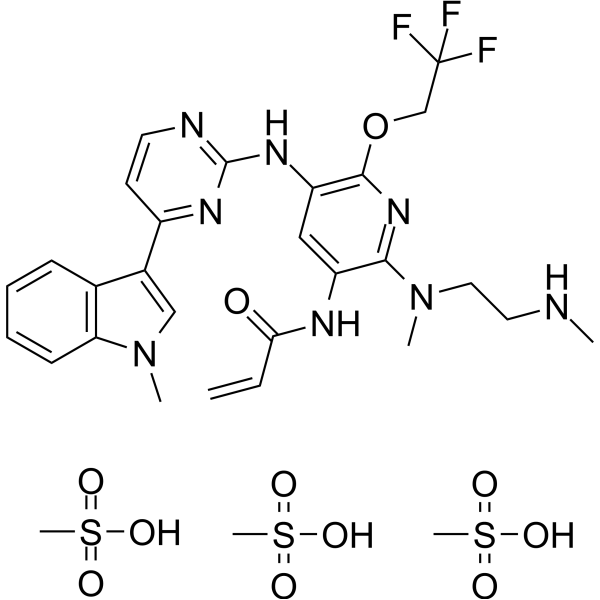 0 ImagesAST5902 trimesylate is the active metabolite of Furmonertinib (HY-112870) with antitumor activity, and acts as a EGFR inhibitor. AST5902 trimesylate inhibits CYP3A4 mRNA transcription at low concentrations and induces CYP3A4 mRNA expression at high concentrations. AST5902 trimesylate can be used in research related to non-small cell lung cancer.
-
Desethylamiodarone hydrochloride
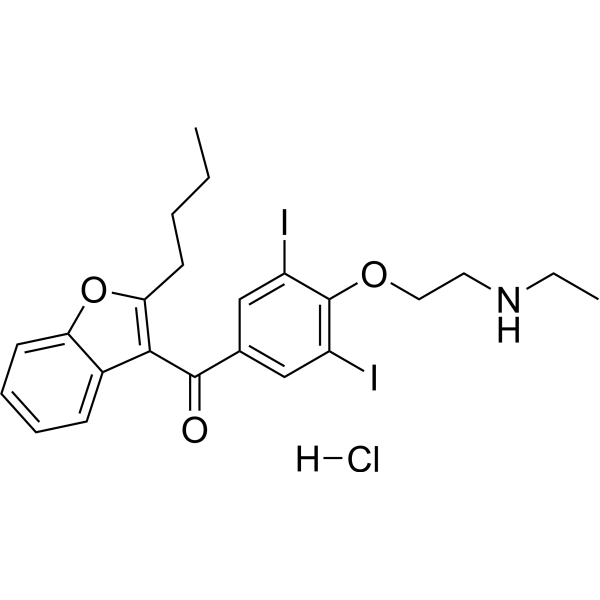 0 ImagesSynonyms: N-Desethylamiodarone hydrochloride; LB 33020 hydrochlorideDesethylamiodarone hydrochloride (N-Desethylamiodarone hydrochloride; LB 33020 hydrochloride) is the major active metabolite of Amiodarone (HY-14187) generated via CYP3A4 metabolism. Desethylamiodarone hydrochloride downregulates p‑Akt, p‑Bad and Bcl‑2, upregulates Bax, promotes mitochondrial release of cytochrome c, activates caspase‑3 and cleaves PARP‑1, thereby inducing cell cycle arrest and apoptosis. Desethylamiodarone hydrochloride can be used in cervical cancer-related research.
-
AST5902
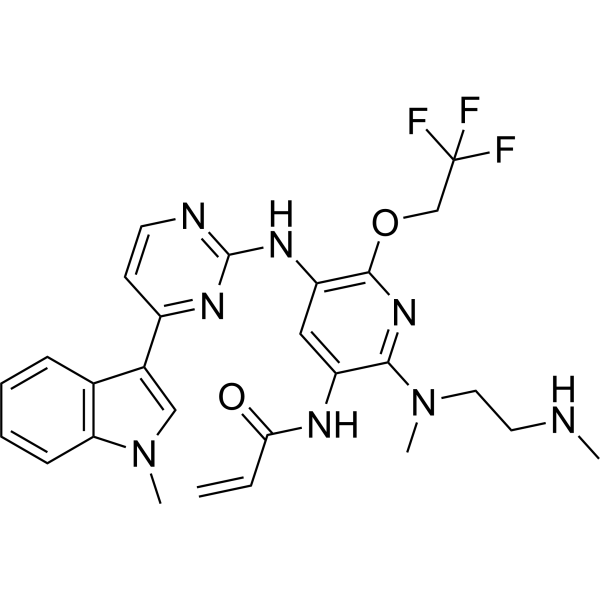 0 ImagesCat. No.: HY-138627CAS No.: 2412155-74-7AST5902 is the active metabolite of Furmonertinib (HY-112870) with antitumor activity, and acts as a EGFR inhibitor. AST5902 inhibits CYP3A4 mRNA transcription at low concentrations and induces CYP3A4 mRNA expression at high concentrations. AST5902 can be used in research related to non-small cell lung cancer.
-
NN1177 TFA
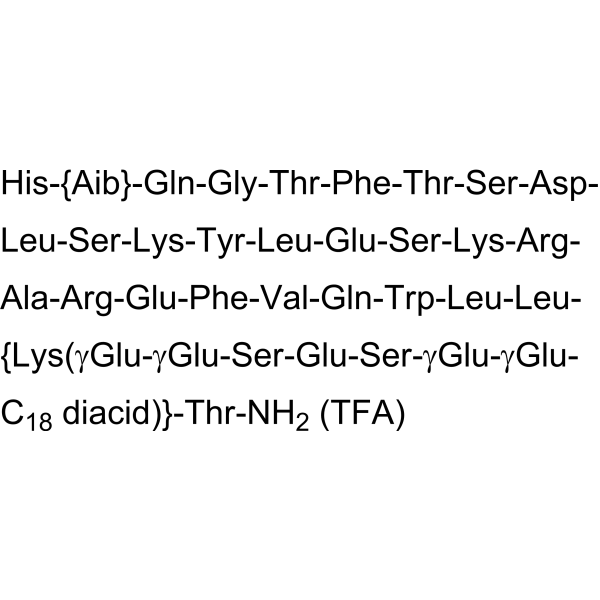 0 ImagesCat. No.: HY-P10032APurity: 99.22%Synonyms: NNC9204-1177 TFANN1177 (NNC9204-1177) TFA is a long-acting GLP-1/glucagon receptor co-agonist. NN1177 TFA can induce a dose-dependent body weight loss in diet-induced obese (DIO) mice.
-
Columbamine
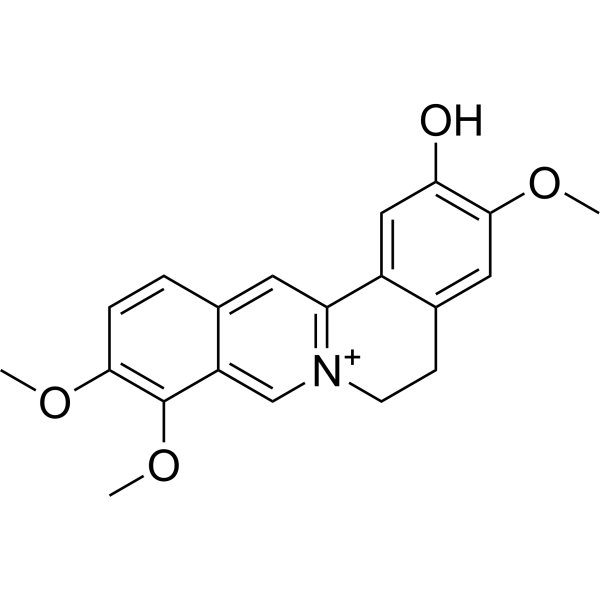 0 ImagesColumbamine (Columbamin; Dehydroisocorypalmine) is an organic heterotetracyclic alkaloid extracted from plants. Columbamine is a metabolite of Berberine (HY-N0716). Columbamine inhibits the cytochrome P450 (CYP) isoform CYP3A4 (IC50 = 30.6 µM). Columbamine induces apoptosis in cancer cells. Columbamine can be used for antioxidant, anti-inflammatory, antitumor, antifungal, antiparasite, hepatoprotective, neuroprotective, hypolipidemic and hypoglycemic study.
-
(R)-(+)-Warfarin-d5
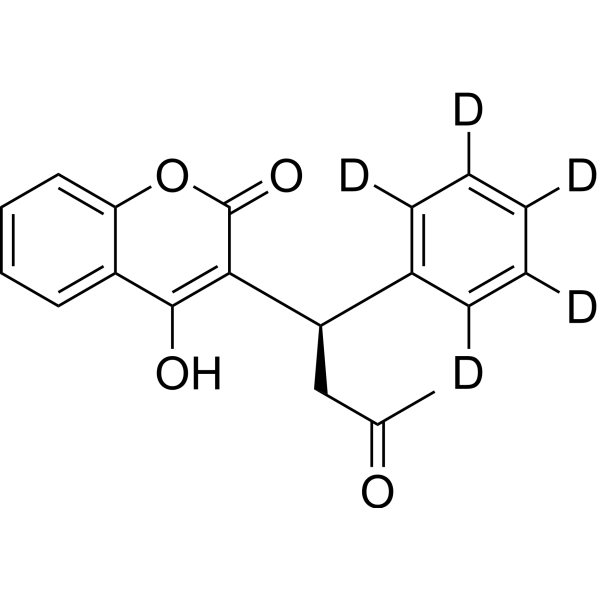 0 Images(R)-(+)-Warfarin-d5 is the deuterated-labeled (R)-(+)-Warfarin (HY-W015998). (R)-(+)-Warfarin is an orally active chiral 4-hydroxycoumarin compound with vitamin K epoxide reductase (VKOR) inhibitory activity and cytochrome P450 substrate activity. (R)-(+)-Warfarin undergoes stereoselective metabolism via CYP1A2 to form 6-Hydroxywarfarin and 8-Hydroxywarfarin, and is metabolized via CYP3A4 to produce 10-Hydroxywarfarin (HY-134999). (R)-(+)-Warfarin can be used for the research of thromboembolic diseases.
-
Filapixant
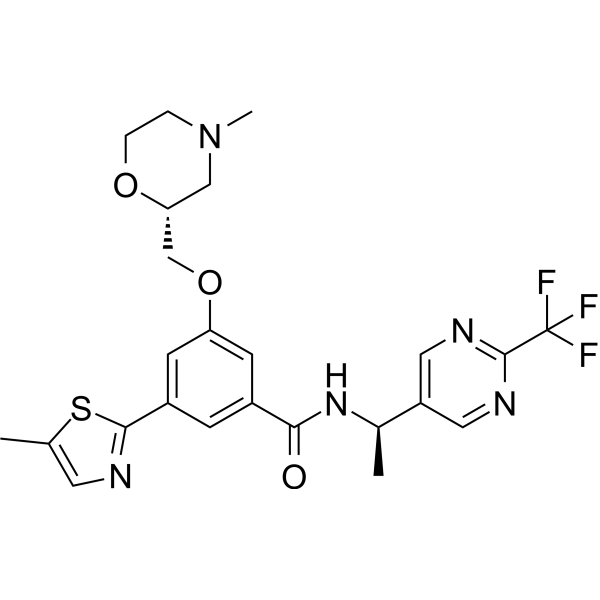 0 ImagesSynonyms: BAY 1902607Filapixant (BAY 1902607) is an orally active and selective P2X3 receptor antagonist. Filapixant is applicable to the research of refractory chronic cough.

-
Simmitecan hydrochloride
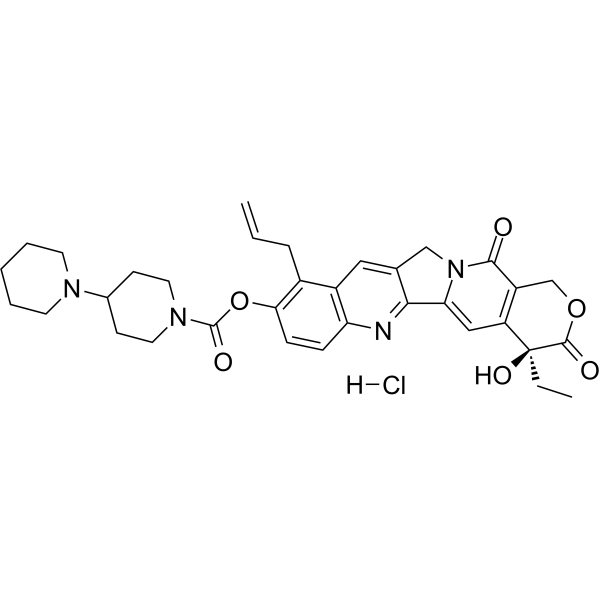 0 ImagesCat. No.: HY-107133CAS No.: 1247847-78-4Simmitecan hydrochloride is a potent topoisomerase I (TOP1) inhibitor, which is a 9-substituted lipophilic camptothecin (Camptothecin (HY-16560)) derivative. Simmitecan hydrochloride blocks DNA replication and transcription, thereby inducing tumor cell apoptosis by inhibiting the activity of TOP1. Simmitecan hydrochloride can be used for research on cancers such as liver cancer.

-
BMS-223131
 0 ImagesCat. No.: HY-19397CAS No.: 275375-69-4BMS-223131 (Compound 1) is a potent maxi-K potassium channel opener. BMS-223131 has a strong inhibitory effect on the CYP2C9 enzyme (IC50 = 1.7 μM) and also shows varying degrees of inhibition on other common CYP enzymes such as CYP1A2, CYP2C19, CYP2D6, and CYP3A4. BMS-223131 can enhance the outward current mediated by maxi-K, by promoting K+ efflux to hyperpolarize the cell membrane and reducing Ca2+ influx. BMS-223131 can be used for the research of neurological disease, such as stroke.
-
Desethylamiodarone
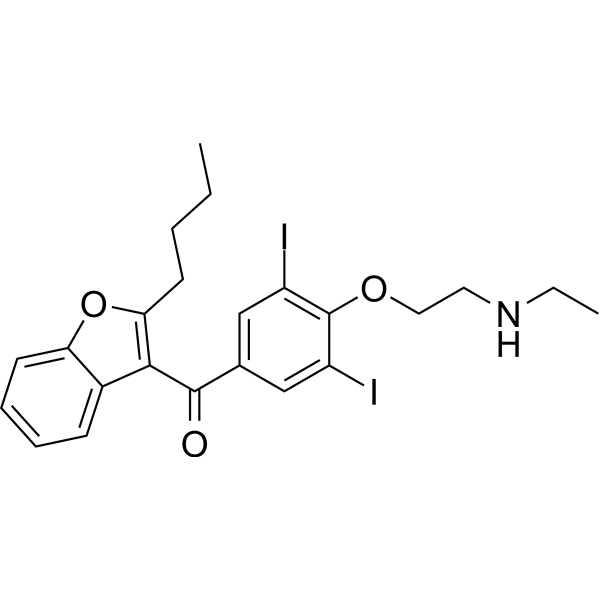 0 ImagesCat. No.: HY-122423CAS No.: 83409-32-9Synonyms: N-Desethylamiodarone; LB 33020Desethylamiodarone (N-Desethylamiodarone; LB 33020) is the major active metabolite of Amiodarone (HY-14187) generated via CYP3A4 metabolism. Desethylamiodarone downregulates p‑Akt, p‑Bad and Bcl‑2, upregulates Bax, promotes mitochondrial release of cytochrome c, activates caspase‑3 and cleaves PARP‑1, thereby inducing cell cycle arrest and apoptosis. Desethylamiodarone can be used in cervical cancer-related research.
-
(Rac)-Tamsulosin
 0 ImagesCat. No.: HY-B0661DCAS No.: 94666-07-6Synonyms: YM12617 free base; (Rac)-LY253351 free base(Rac)-Tamsulosin (YM12617 (free base); (Rac)-LY253351 (free base)) is an isomer of Tamsulosin (HY-B0661). (Rac)-Tamsulosin is a sulfonamide phenethylamine derivative and a competitive antagonist of selective post-synaptic α1-adrenoceptors. (Rac)-Tamsulosin inhibits CYP3A4 activity in a non-competitive, enantiomer-specific manner, with an IC50 and Ki of 6.75 μM. (Rac)-Tamsulosin produces dose-dependent hypotension, preferentially antagonizing α1-adrenoceptor-mediated pressor responses, and inhibits α2-adrenoceptor-mediated pressor responses at high doses. (Rac)-Tamsulosin can be used in research related to various diseases such as metabolism.
-
Desethylamiodarone-d4 hydrochloride
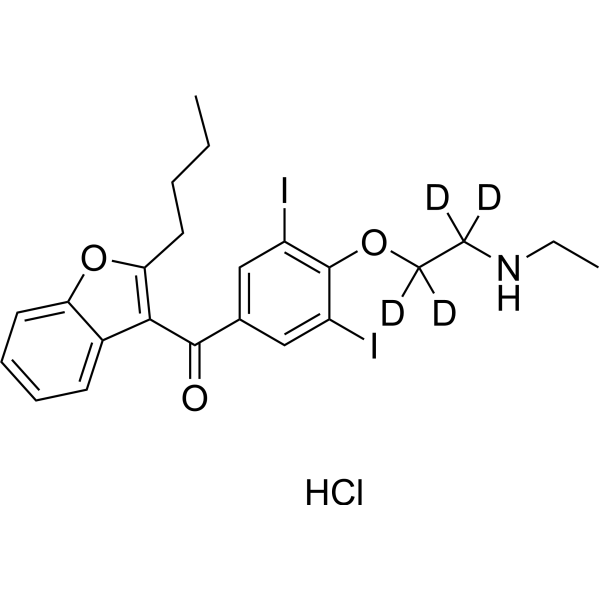 0 ImagesCat. No.: HY-130353SCAS No.: 1189960-80-2Synonyms: N-Desethylamiodarone-d4 hydrochloride; LB 33020-d4 hydrochlorideDesethylamiodarone-d4 hydrochloride (N-Desethylamiodarone-d4 hydrochloride; LB 33020-d4 hydrochloride) is the deuterated-labeled Desethylamiodarone hydrochloride (HY-130353). Desethylamiodarone hydrochloride (N-Desethylamiodarone hydrochloride; LB 33020 hydrochloride) is the major active metabolite of Amiodarone (HY-14187) generated via CYP3A4 metabolism. Desethylamiodarone hydrochloride downregulates p‑Akt, p‑Bad and Bcl‑2, upregulates Bax, promotes mitochondrial release of cytochrome c, activates caspase‑3 and cleaves PARP‑1, thereby inducing cell cycle arrest and apoptosis. Desethylamiodarone hydrochloride can be used in cervical cancer-related research.
-
AST5902 trimesylate (Standard)
 0 ImagesCat. No.: HY-138627ARCAS No.: 2929417-90-1AST5902 trimesylate (Standard) is the analytical standard of AST5902 trimesylate (HY-138627A). This product is intended for research and analytical applications. AST5902 trimesylate is the active metabolite of Furmonertinib (HY-112870) with antitumor activity, and acts as a EGFR inhibitor. AST5902 trimesylate inhibits CYP3A4 mRNA transcription at low concentrations and induces CYP3A4 mRNA expression at high concentrations. AST5902 trimesylate can be used in research related to non-small cell lung cancer.
- 1
- 2



